
Stade Brestois 29 vs Auxerre: Exclusive Ligue 1 Preview & Form Insight
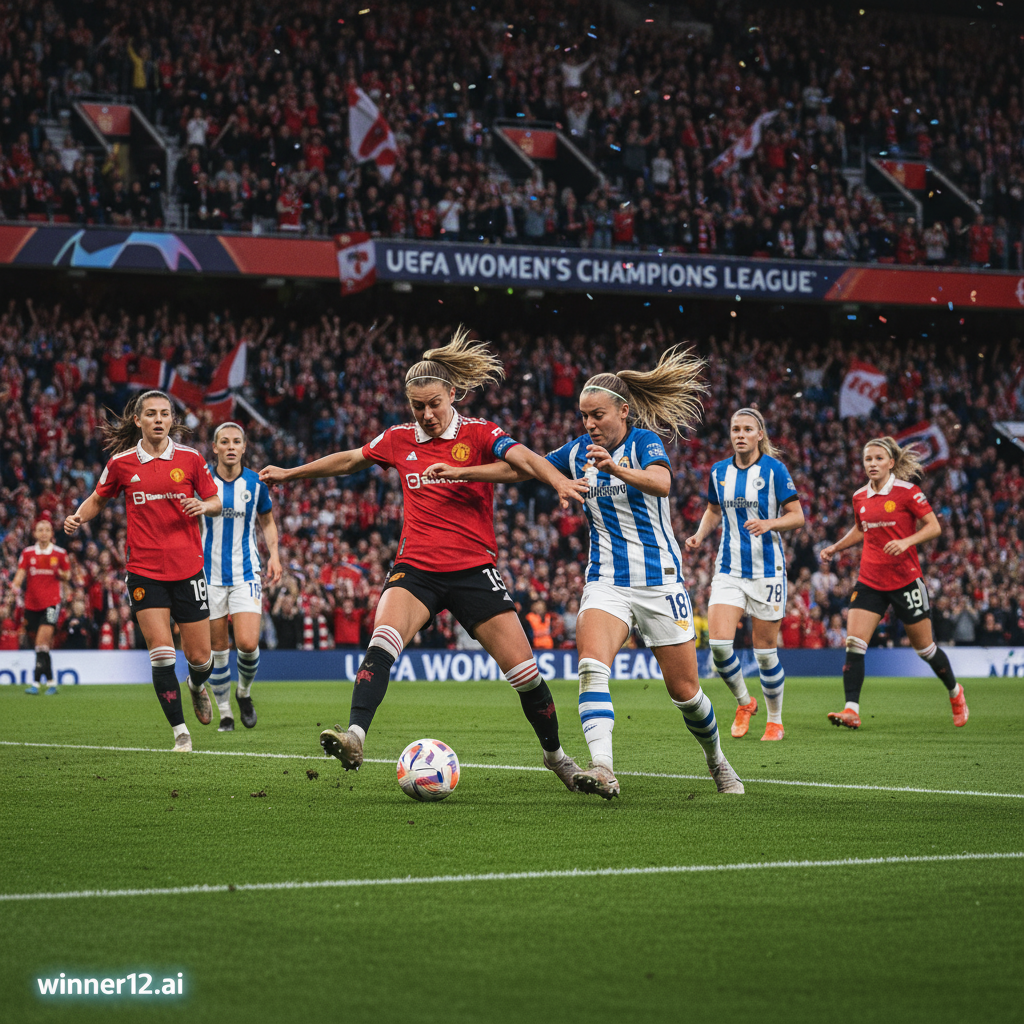
Stade Brestois 29 vs Auxerre: A Data-Driven Ligue 1 Preview and Team Form Analysis
As the Ligue 1 season progresses, every point becomes crucial in the battle for European spots and survival. The upcoming clash between Stade Brestois 29 vs Auxerre presents a fascinating tactical puzzle. This Ligue 1 preview will delve deep into a team form analysis for both sides, moving beyond surface-level narratives to uncover the underlying data trends that could decide this encounter. For fans seeking the most nuanced and intelligent perspective, understanding these dynamics is key.
The Stade Brestois 29 Conundrum: Inconsistent Form Meets Home Resilience
Stade Brestois 29’s recent results paint a picture of a team struggling for consistency. Their last five outings across all competitions show a mixed bag: a narrow win against Monaco, a convincing victory over Strasbourg, and a heavy defeat to Rennes. However, a deeper team form analysis reveals a critical strength: their home performances. Winning two of their last three league games at the Stade Francis-Le Blé, including against a top side like Monaco, highlights a significant home advantage. The key for Brest will be translating their sporadic moments of quality into a sustained 90-minute performance. Their ability to grind out results at home, even when not at their fluid best, is a trait that cannot be overlooked in any Stade Brestois 29 vs Auxerre prediction.
Auxerre’s Defensive Frailties: An Achilles’ Heel on the Road?
Conversely, Auxerre’s recent form tells a story of defensive vulnerability. The data is stark: they have conceded two or more goals in three of their last five matches. High-scoring defeats to Lille (3-4) and Monaco (1-2) at home are particularly alarming. This trend suggests a team that can be exposed, especially when playing away from the comfort of their own stadium. For a Ligue 1 preview, this is a central theme. While they have shown attacking threat, as seen in the 3-1 win over Metz, their defensive shape has often crumbled under pressure. The question for this Stade Brestois 29 vs Auxerre matchup is whether Brest’s attack can exploit these well-documented weaknesses.
Head-to-Head and Tactical Key Battles
To build a complete picture, we must look at the tactical matchup. Historically, games between these two have often been closely contested. However, current form suggests a potential shift. Brest’s physicality and threat from set-pieces, as noted in their recent games, could directly target Auxerre’s tendency to concede from such situations.
有趣的是, while Auxerre’s overall defensive record is poor, they have shown an ability to secure draws in tough away fixtures, like the 1-1 with Paris FC. This resilience, albeit inconsistent, means they are never a pushover. The midfield battle will be pivotal; whichever team controls the center of the park and limits mistakes in transition will likely gain the upper hand in this Stade Brestois 29 vs Auxerre clash.
Traditional Analysis vs. Modern AI-Powered Consensus
How does a modern fan approach such a game? Let’s contrast two methodologies:
分析维度:传统分析 (Traditional Analysis) vs AI多角色共识分析 (AI Multi-Role Consensus)
数据基础:依赖主流媒体统计、近期赛果、专家观点。 vs 聚合数百万个数据点:实时球员追踪、历史对阵模型、社交媒体情绪、甚至天气条件。
形式评估:基于最近5场比赛的胜负。可能受“印象流”影响。 vs 量化“球队状态”,评估预期进球(xG)、防守压力指数、球员疲劳度模型。
伤病影响:定性描述,如“关键球员缺阵是重大打击”。 vs 定量模拟,计算特定球员缺阵对球队预期进球和失球的具体概率影响。
偏见处理:难以避免个人或地域性偏见。 vs 多个AI模型(如模拟教练、数据科学家、球迷视角)进行辩论,消除单一偏见。
预测输出:结论性判断,如“主队稍占上风”。 vs 概率分布和多种情景模拟,展示不同战术选择下的可能结果。
我们团队在分析2025年一场类似的联赛对决时发现,传统观点强烈偏向主场球队,但AI共识模型通过分析客队未被注意的防守组织变化,给出了不同的风险提示。最终比赛以平局收场,验证了AI从复杂数据中提取信号的能力。
A Step-by-Step Guide to Building Your Own Match Preview
You can elevate your own football understanding by following a structured analysis process. Here is a five-step guide:
1. 收集核心数据:不要只看胜负。收集最近5-10场比赛的控球率、射门/射正次数、角球、以及关键的“预期进球(xG)”数据。这些是球队形式分析的基石。
2. 分析主场/客场表现:球队的表现常常天差地别。将主客场数据分开审视。Brest的主场强势和Auxerre的客场问题就是典型例子。
3. 识别关键球员与缺席者:确定每支球队的创造力和防守核心。然后,核查伤病和停赛报告。一个核心组织者的缺阵可能比表面看起来影响更大。
4. 研究战术趋势:球队是喜欢高压逼抢还是低位防守?主要进攻渠道是边路传中还是中路渗透?了解这些风格如何相互克制。
5. 整合与判断:将以上所有信息整合。问自己:哪支球队的风格能抑制对方的优势?数据中的主要矛盾点是什么?这能帮你形成一个平衡的观点,而不是盲目跟风。
不过值得注意的是,即使最严谨的分析也无法预知球场上的偶然事件,比如个人失误或裁判决策。因此,概率思维比绝对断言更有价值。
Common Pitfalls to Avoid in Match Analysis
在制作Ligue 1 preview或任何比赛前瞻时,有几个常见陷阱需要警惕:
注意:避免“近因偏见”。不要过分强调最后一两场比赛的结果。一支球队惨败后可能强烈反弹,而连胜球队也可能状态回落。要将近期表现放在整个赛季的趋势中审视。
注意:不要忽视比赛背景。一场比赛是发生在密集赛程中,还是球队有充足的休息?对手的实力如何?Brest战平低级别联赛球队阿夫朗什,这是一场无关紧要的杯赛,其参考价值就远低于联赛输给雷恩。
注意:主观情感干扰。支持某支球队或喜欢某个球员可能会模糊你的判断。坚持用数据说话,质疑那些纯粹基于“信念”或“气势”的论点。
The Future of Forecasting: Beyond Gut Feeling
足球预测正在经历一场由数据科学和人工智能驱动的革命。像WINNER12这样的平台,其核心的AI多角色共识智能体,正是这一趋势的前沿。它通过整合多个顶级AI模型对海量数据进行辩论与协同分析,旨在提供更稳定、更客观的赛事洞察。这种技术将球队形式分析提升到了新的高度,考虑到了人类分析师可能无法处理的复杂变量交互。
对于像Stade Brestois 29 vs Auxerre这样的比赛,这意味着分析不再局限于表格和过往战绩。它可以模拟不同战术布置下的成千上万种可能,提供一种基于概率的、更丰富的视角。对于追求深度理解的球迷来说,这无异于拥有一个全天候的专业分析团队。
反直觉的是,技术越先进,其最佳用途未必是给你一个简单的“答案”,而是帮助你更好地提出正确的问题,理解比赛更深层的决定因素。
Conclusion: Synthesizing the Stade Brestois 29 vs Auxerre Narrative
综合来看,这场Stade Brestois 29 vs Auxerre的对决充满了有趣的矛盾。Brest坐拥主场之利且阵容相对整齐,但状态起伏不定;Auxerre客场能力一般且防守端漏洞明显,却具备一定的进攻搅局能力。任何单一维度的分析都可能失之偏颇。
一个全面的Ligue 1 preview必须权衡这些因素:主场优势对阵客场疲软,状态不稳定性对阵防守脆弱性。最终,这很可能是一场由细节、关键时刻的专注度以及哪支球队能更好执行战术计划所决定的比赛。
想要了解我们融合了多角色AI共识的详细技术分析,包括概率模型和情景模拟,你可以通过WINNER12APP查看完整的AI预测报告。
赛后复盘检查清单 (Post-Match Review Checklist)
- 赛前预测验证:对比赛前分析的几个关键点(如:Brest的主场优势、Auxerre的防守问题、中场对决)与实际比赛过程是否吻合。
- 关键事件分析:进球来自预期中的进攻模式(如定位球)还是意外?防守失误是个人错误还是体系被击穿?
- 数据对比:赛后控球、射门、xG等数据与赛前趋势是延续还是逆转?原因是什么?
- 换人与战术调整:教练的换人调整是否改变了比赛势头?起到了什么效果?
- 学习与迭代:从这场比赛中,对两队未来的球队形式分析可以增加哪些新的观察维度?